Versatility Defined: The Many Applications of Standard Carbon Steel Pipe
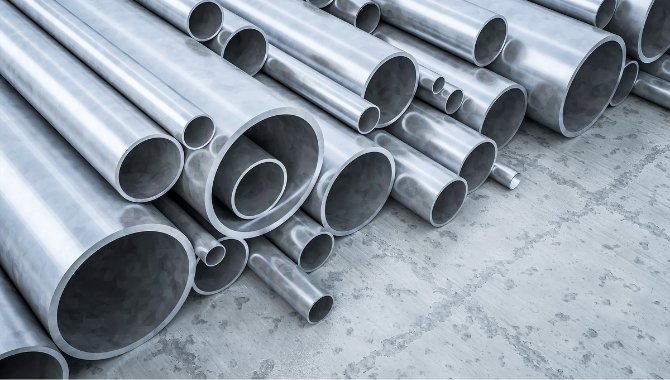
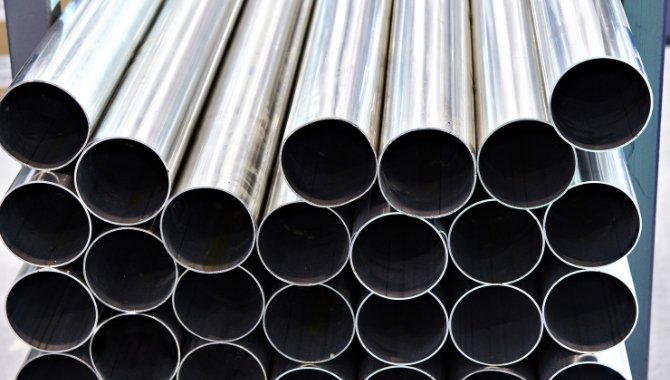
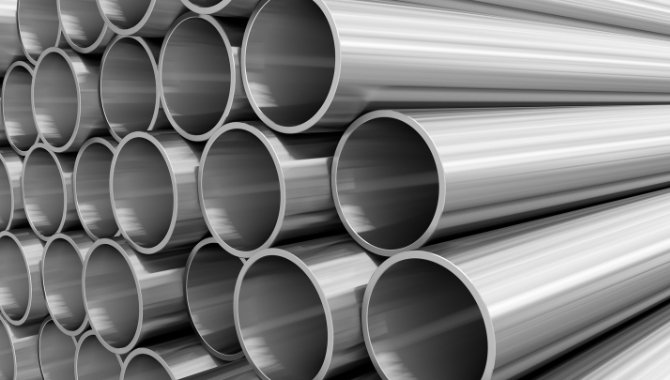
In the vast and intricate tapestry of modern industry and infrastructure, few materials are as fundamentally essential yet often overlooked as the standard carbon steel pipe. It is the silent artery of civilization, a ubiquitous component whose very simplicity belies its extraordinary versatility. Defined by its primary composition of iron and carbon (typically with a carbon content below 2%), this unassuming cylindrical form is the workhorse of countless sectors, proving that true utility lies not in exotic composition, but in reliable, adaptable, and cost-effective performance. From the depths of the ocean to the heights of skyscrapers, the applications of standard carbon steel pipe are a testament to engineered pragmatism.
The Foundation: What is Standard Carbon Steel Pipe?
Before exploring its applications, it is crucial to understand its nature. Standard carbon steel pipe, often manufactured to specifications like ASTM A53 or A106, comes in two primary types: seamless and welded. Seamless pipes are formed from a solid billet, offering superior strength and uniformity for high-pressure applications. Welded pipes, created by rolling and welding steel sheet, provide excellent economy and are suitable for a vast range of low to medium-pressure uses.
Its properties are its passport to versatility:
Strength & Durability: It offers an excellent strength-to-weight ratio, capable of withstanding substantial internal pressure, external loads, and environmental stress.
Malleability & Weldability: It can be easily bent, formed, and, most importantly, welded using common techniques, allowing for complex installations and on-site modifications.
Cost-Effectiveness: Abundant raw materials and efficient production processes make it the most economical choice for a myriad of applications.
Thermal Conductivity: It efficiently transfers heat, making it ideal for heating and cooling systems.
Recyclability: At the end of its long service life, it is 100% recyclable, contributing to sustainable material cycles.
This combination of traits makes standard carbon steel pipe not just a product, but a foundational platform for innovation and development across industries.
Application 1: The Circulatory System of Civilization – Oil, Gas, and Water
The most critical and visible application lies in resource conveyance.
Oil and Gas: Carbon steel pipe forms the backbone of the global energy infrastructure. Onshore and offshore pipelines, often hundreds of miles long, transport crude oil and natural gas from wells to refineries and distribution centers. Its ability to handle high pressures and corrosive (to a degree, often with internal coatings or treatments) substances is paramount. Within refineries and petrochemical plants themselves, intricate networks of pipes carry feedstocks, intermediates, and finished products between processing units.
Water Supply and Distribution: From massive municipal water mains buried under city streets to the supply lines in residential and commercial buildings, carbon steel pipe is a dominant material. Its durability ensures a long-lasting barrier against contamination and physical collapse, providing a reliable potable water supply, fire protection systems (sprinkler lines), and wastewater removal.
Application 2: Structural and Construction Backbone
Beyond conveying fluids, carbon steel pipe is a premier structural element.
Building Construction: It is used extensively as scaffolding—the temporary skeleton that allows workers to erect permanent structures. Its modularity and strength make it ideal for this reusable, safety-critical application. Permanently, it serves as structural columns and beams, especially in industrial warehouses, aircraft hangars, and modern architectural designs where an exposed “industrial” aesthetic is desired. Its hollow core is an advantage, allowing for the passage of electrical conduits or other services.
Infrastructure: Bridges, overpasses, and stadium roofs often rely on carbon steel pipe for their support frameworks. Its ability to be fabricated into large trusses and arches provides both strength and design flexibility.
Piling: Thick-walled, large-diameter carbon steel pipe is driven deep into the ground to serve as foundational piles for heavy structures on unstable soils, transferring loads to stable substrata.
Application 3: The Engine of Industry – Manufacturing and Processing
Virtually every manufacturing plant is a labyrinth of carbon steel piping.
Power Generation: In fossil fuel plants, pipes carry superheated steam to drive turbines. In nuclear facilities, they are part of critical cooling and reactor systems. Even in geothermal and solar-thermal plants, they are essential for heat transfer.
Chemical and Pharmaceutical: While more corrosive processes require alloys, standard carbon steel pipes are used for numerous non-corrosive or mildly corrosive raw materials, cooling water, compressed air, and utility services within these highly complex facilities.
Heating, Ventilation, and Air Conditioning (HVAC): Boiler systems, chillers, and air handling units are all interconnected with carbon steel pipe for hot water, steam, and chilled water circulation. Its thermal properties and rigidity are perfect for these climate-control systems.
Application 4: Agriculture and Irrigation
Feeding the world depends on efficient water management. Carbon steel pipe is used in large-scale agricultural irrigation systems, including center-pivot and drip irrigation frameworks. Its robustness allows it to withstand outdoor exposure and the mechanical stresses of moving irrigation systems, ensuring consistent water delivery to crops.
Application 5: Transportation and Automotive
While not always obvious, carbon steel pipe plays a role here too. It is used in the construction of vehicle frames for buses, trucks, and trailers. In the automotive industry, it forms parts of exhaust systems (though increasingly replaced by stainless steel for tailpipe sections), roll cages in race cars, and various structural components within heavy machinery.
Application 6: Mining and Dredging
This is one of the most demanding applications. Abrasion-resistant, thick-walled carbon steel pipe is used to transport slurry—a mixture of water, minerals, and rock—over long distances from mining operations to processing plants. Dredging operations on waterways use similar piping to move sediment and silt.
The Supporting Role: Variations and Enhancements
The term “standard” is not monolithic. The versatility of carbon steel pipe is extended through various enhancements:
Galvanization: A zinc coating applied to the pipe provides exceptional corrosion resistance, making it the standard for outdoor structural applications (fencing, handrails, guardrails) and certain plumbing uses.
Coatings and Linings: Internal epoxy, cement-mortar, or plastic linings can be added to protect against corrosion from conveyed fluids, especially in water pipelines. External coatings like fusion-bonded epoxy (FBE) protect buried pipelines from soil corrosion.
Various Grades and Schedules: Differing carbon contents and wall thicknesses (“schedules”) allow engineers to specify the exact balance of strength, weight, and pressure rating needed for each unique job.
Conclusion: The Unrivaled Workhorse
In an age of advanced composites and smart materials, the enduring reign of the standard carbon steel pipe is a powerful statement. Its versatility is not born from high-tech complexity, but from a profound and balanced alignment of fundamental properties: strength, durability, manufacturability, and economy. It is a material democratized, accessible for a child’s swing set and essential for a transcontinental energy network. It defines versatility through its sheer, unyielding presence in every facet of the built environment, quietly performing its duty—whether holding up a skyscraper, bringing water to a home, fueling a city, or harvesting the earth’s resources. The standard carbon steel pipe is, in every sense, a foundational pillar of modern life, its many applications weaving together the very fabric of our industrial society. As we build towards the future, this humble tube will undoubtedly continue to be an indispensable tool in humanity’s hands.