
Torque Reaction Arms for Safer and More Accurate Tightening
KURAN torque reaction arms help absorb tool reaction force, reduce operator fatigue, and improve tightening stability. With optional XY / XYZ position detection, they can also support assembly poka-yoke and intelligent tightening control.
- 10Nm to 5000Nm Options
- XY / XYZ Position Detection
- Standard & Custom Structures
- Controller Integration Available
KURAN torque reaction arms help absorb tool reaction force, reduce operator fatigue, and improve tightening stability. With optional XY / XYZ position detection, they can also support assembly poka-yoke and intelligent tightening control.
- 10Nm to 5000Nm Options
- XY / XYZ Position Detection
- Standard & Custom Structures
- Controller Integration Available
What Can a Torque Reaction Arm Improve?
A torque reaction arm can do more than absorb the force generated during tightening. Depending on its structure, position sensors and controller configuration, it can also support tool weight, verify whether the tool has reached the correct fastening point, and guide the operator through a defined tightening sequence.
[Mechanical Support] The arm transfers reaction torque from the tightening tool to a fixed workstation structure, reducing the force that would otherwise be absorbed by the operator’s hands, wrists and arms.
[Mechanical Support] By carrying all or part of the tool weight, the arm reduces the effort required to hold and reposition heavy tightening tools during repetitive assembly work.
[Position Control] When equipped with position detection, the system can verify whether the tool has reached the correct fastening point before the tightening program is enabled.
[Process Control] When connected to a KURAN controller, the arm can help guide the operator through a predefined tightening sequence and reduce missed, repeated or incorrectly ordered fastening operations.
Choose the Right Torque Reaction Arm for Your Workstation
KURAN offers different torque reaction arm structures for standard workstations, compact spaces, lightweight operation, high-torque tightening, long-reach applications, and wide-area assembly cells. Each model can be selected based on torque range, working radius, tool weight, installation space, and position control requirements.
Start with Your Workstation Requirements
Final selection should also consider torque, tool weight, working radius, installation method, and position-control requirements.
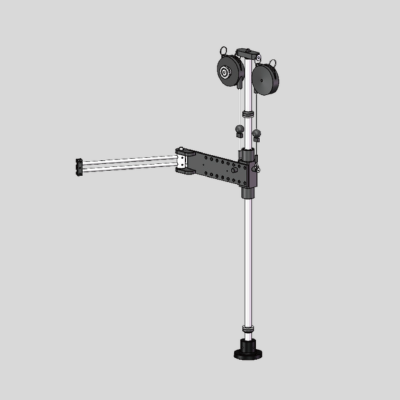
For fixed workstations where the tool needs to move across multiple tightening points.
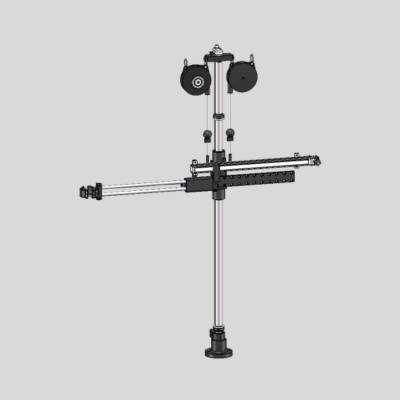
For compact fixed workstations where the tool mainly moves forward and backward with reduced side-to-side arm movement.
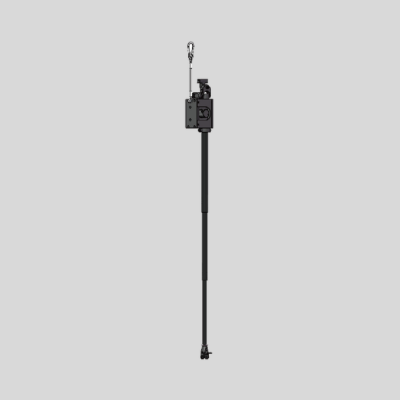
For workstations that need lightweight handling, telescopic movement, and flexible multi-angle tightening across medium torque ranges.
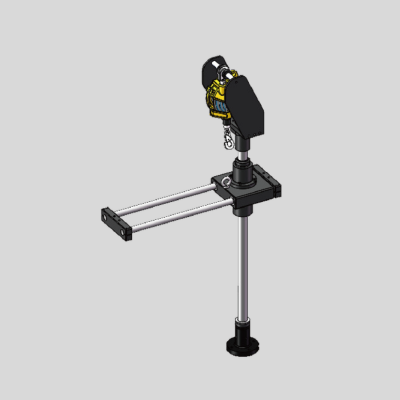
For high-torque tightening stations where mechanical strength and stable tool support are the main priorities.
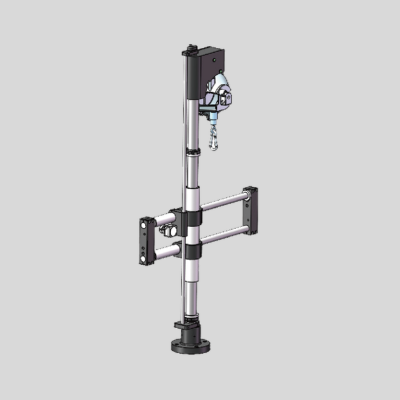
For high-torque stations that need both reaction force control and position-based tightening verification.
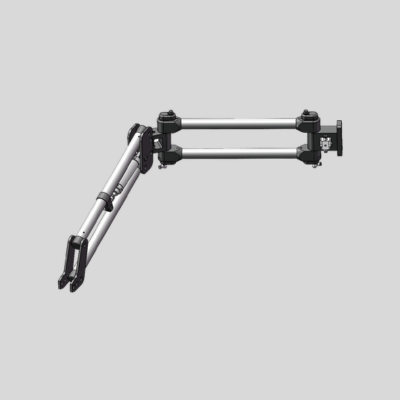
For compact workstations where vertical space is limited and the torque arm needs side-mounted installation.
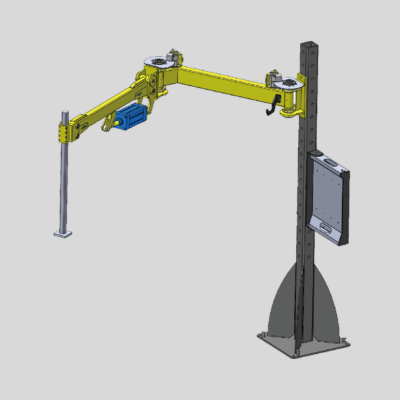
For large-component assembly requiring up to 5000Nm torque reaction control, floor-mounted support, and a working radius of up to 5m.
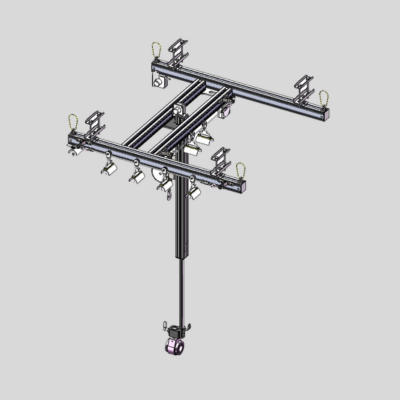
For large assembly cells where the tool needs to move across a wide working area or multiple fixtures.
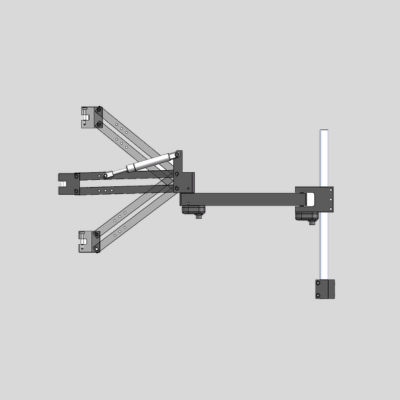
For low-torque tightening tasks where small tools need stable support in restricted working areas.
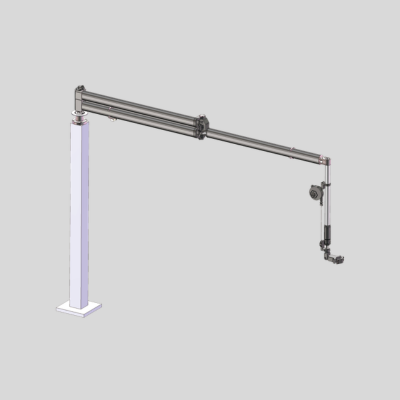
For low-to-medium torque stations that need up to 2m reach, flexible articulating movement, and clean installation in visible production areas.
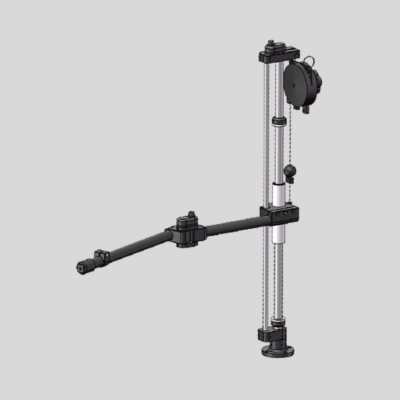
For basic low-torque workstations that require lightweight support with a more economical configuration.
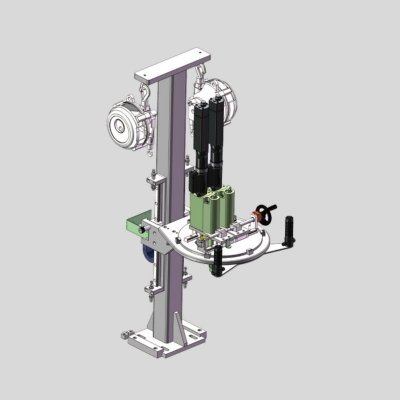
Share your torque range, tool model, working radius, installation space, and position control requirements.
How to Choose the Right Torque Reaction Arm
Selecting a torque reaction arm is not only about matching the maximum torque value. A suitable configuration should also fit the tool, operator movement, workstation space, tightening direction, and whether the assembly process needs position control or poka-yoke verification.
If you are not sure which model is suitable, share your basic workstation information with KURAN and we can recommend a suitable torque arm configuration.
Confirm the required tightening torque and choose an arm that can safely absorb the reaction force within that range.
Check the weight, shape, and mounting method of the tightening tool to ensure stable support and proper tool handling.
Define how far the tool needs to move from the mounting point and whether the task requires short reach, long reach, or wide-area coverage.
Review whether the workstation allows desktop, side-mounted, floor-mounted, or gantry installation.
Identify whether the tool mainly moves forward and backward, across multiple points, vertically, or over a large fixture area.
Decide whether the workstation only needs mechanical torque support or also requires XY / XYZ position detection for process control.
Turn a Torque Arm into a Controlled Tightening Workstation
When combined with position detection, controllers, tool selection devices, and visual feedback, a torque reaction arm can become part of a controlled tightening process instead of only acting as a mechanical support device.

The arm can support XY or XYZ position detection to help confirm whether the tool reaches the intended tightening point before or during operation.
A workstation control system can manage tightening points, programs, operation sequence, and OK / NG status based on the defined assembly process.
Tool selectors, program selectors, or socket selection devices can help reduce wrong tool, wrong socket, or wrong program selection in multi-product assembly lines.
Tower lights and workstation indicators can make tightening results, alarms, and abnormal operation states easier for operators and supervisors to recognize.
Build a Complete Torque Arm Workstation with KURAN Accessories
KURAN torque reaction arms can be combined with controllers, selectors, adapters, and visual feedback devices to support position control, program management, tool selection, and poka-yoke operation in assembly workstations.
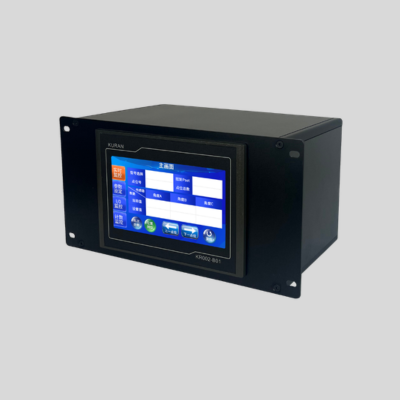
Used with sensor-equipped torque arms to manage tightening programs, point control, basic workstation logic, and OK / NG status feedback.
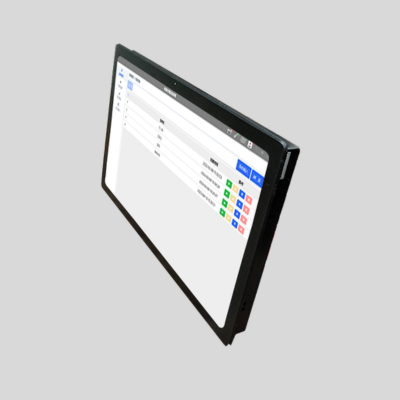
Designed for advanced tightening processes, supporting visual point guidance, program management, tightening records, and integration with multiple workstation devices.
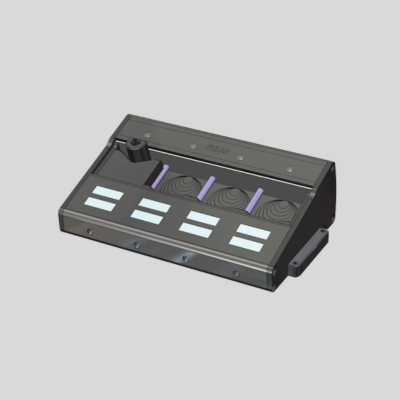
Helps operators choose the correct socket or bit for each tightening task, reducing wrong socket use and incorrect torque program selection in multi-torque assembly.
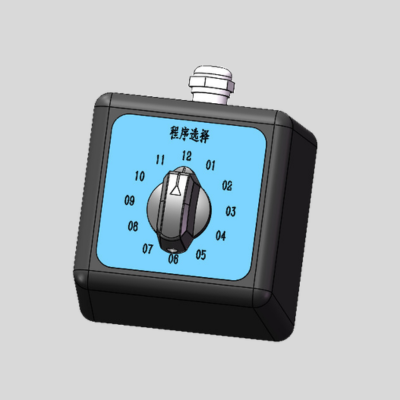
Provides rotary program selection for tightening tools, helping operators quickly select the required program for different products or tightening processes.
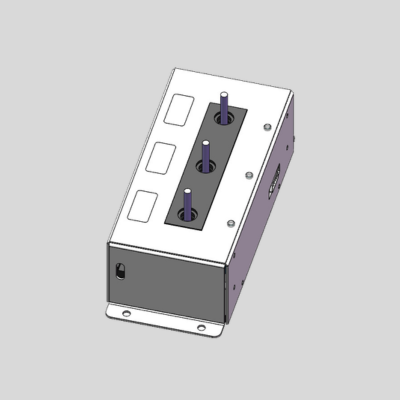
Uses a locking mechanism and visual indication to help ensure the correct bit is selected before tightening, reducing wrong bit selection in controlled assembly tasks.
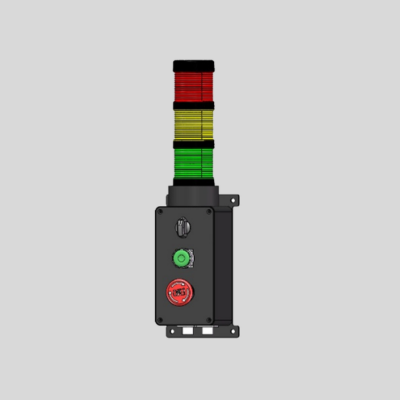
Displays tightening status with red, yellow, and green LED signals, helping operators and supervisors recognize failed, warning, and qualified operation states quickly.
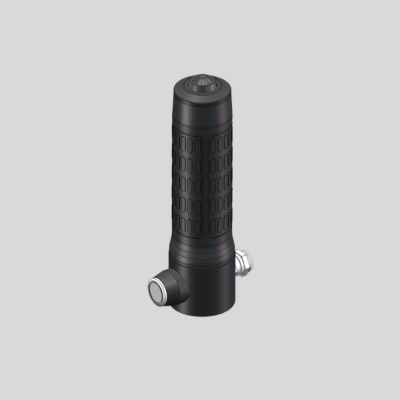
Helps operators control tool start, forward / reverse operation, and OK / NG signal input while improving grip comfort and installation flexibility.
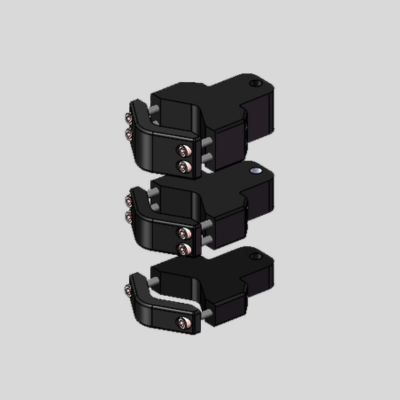
Used to connect different tightening tools to KURAN torque arms, helping match tool diameter, mounting structure, and workstation installation requirements.
KURAN Torque Reaction Arms in Real Assembly Workstations
Explore real workstation videos showing how KURAN torque reaction arms are used in automotive components, electric drive units, engine assembly, seat assembly, and other repetitive tightening applications.
Automotive Component Assembly
KR001 torque reaction arms provide stable tool support for repetitive automotive assembly tasks, helping reduce operator fatigue and maintain consistent tightening quality.
Engine & Powertrain Assembly
Heavy-duty torque arm configurations manage higher reaction torque during engine and powertrain assembly, improving tool control and operator comfort in demanding tightening applications.
Why Choose KURAN for Torque Reaction Arm Solutions
KURAN provides more than standalone torque reaction arms. We help manufacturers build tightening workstations with mechanical support, position detection, controller integration, poka-yoke accessories, and custom tool mounting.
From low-torque compact arms to floor-mounted heavy-duty systems, KURAN offers multiple torque arm structures for different workstation layouts and torque requirements.
Many KURAN torque arms can be configured with no sensor, XY position detection, or XYZ position detection to match different process control requirements.
KURAN torque arms can work with controllers, socket selectors, program selectors, tower lights, and other devices to support controlled tightening processes.
Tool adapters and mounting interfaces can be customized according to tightening tool shape, tool diameter, installation direction, and workstation space.
Frequently Asked Questions About Torque Reaction Arms
Find answers to common questions about torque reaction arm selection, torque range, position detection, controller integration, carbon fiber arms, and workstation customization.
What is a torque reaction arm used for?
A torque reaction arm is used to support a tightening tool and absorb the reaction force generated during fastening. This helps reduce operator fatigue, improve tool stability, and make repetitive tightening tasks more consistent.
How do I choose the right torque reaction arm?
Selection depends on torque range, tool weight, working radius, movement direction, installation space, and whether the workstation needs position detection or poka-yoke control. For a more accurate recommendation, it is better to provide the tool model, tightening torque, workpiece layout, and required movement range.
Can KURAN torque reaction arms support position detection?
Yes. Many KURAN torque reaction arms can be configured with position detection options. Depending on the model and application, configurations may include no sensor, XY position detection, or XYZ position detection. Signal options may include analog 0–10V or digital RS485 communication.
What is the difference between carbon fiber torque arms and conventional torque arms?
Carbon fiber torque arms are lighter and easier to move, making them suitable for repetitive tightening tasks, flexible positioning, and workstations that require smoother tool handling. Conventional metal arm structures are generally better suited for higher torque, heavier tools, or more rigid support requirements.
Which KURAN torque arm is suitable for high-torque applications?
For high-torque applications, KURAN offers heavy-duty options such as KR007, KR007B, KR009, and KR010. KR009 is suitable for floor-mounted large-component tightening, while KR010 is designed for gantry-type workstations requiring wider area coverage.
Can torque reaction arms be integrated with controllers and poka-yoke accessories?
Yes. KURAN torque arms can be combined with KR002 controllers, socket selectors, program selectors, locking bit selectors, tower lights, handles, and tool adapters to build a more controlled tightening workstation.
Can KURAN provide custom torque reaction arm solutions?
Yes. If standard torque arm models cannot meet the workstation requirements, KURAN can provide customized solutions based on installation space, torque requirement, working radius, tool mounting method, structural strength, and additional sensing requirements.
What information should I provide before requesting a recommendation?
Please provide the required torque range, tightening tool model, tool weight, working radius, installation method, workpiece layout, number of tightening points, and whether position detection or poka-yoke control is required.
Related Insights
Tell Us About Your Tightening Workstation
Every assembly workstation is different. Torque range, tool weight, movement path, installation direction, and poka-yoke requirements can all affect torque arm selection.
Send us your basic workstation information, and KURAN can help recommend a suitable torque arm model, controller configuration, and accessory combination.
Required tightening torque or maximum reaction force level.
Tool brand, model, weight, shape, and mounting method.
Required movement range from the mounting point to each tightening position.
Desktop, side-mounted, floor-mounted, overhead, or gantry installation conditions.
Product type, number of bolts, tightening sequence, and workstation layout.
Whether you need only mechanical support or XY / XYZ position detection and poka-yoke control.
Get a Torque Arm Configuration Recommendation
Every assembly workstation is different. Torque range, tool weight, movement path, installation direction, and poka-yoke requirements can all affect torque arm selection.